Learn about Choosing EPDM vs GRP roofing for your flat roof. Compare flexibility, appearance, lifespan, and installation to select the best roofing system for your home.
What is EPDM and grp Roofing?
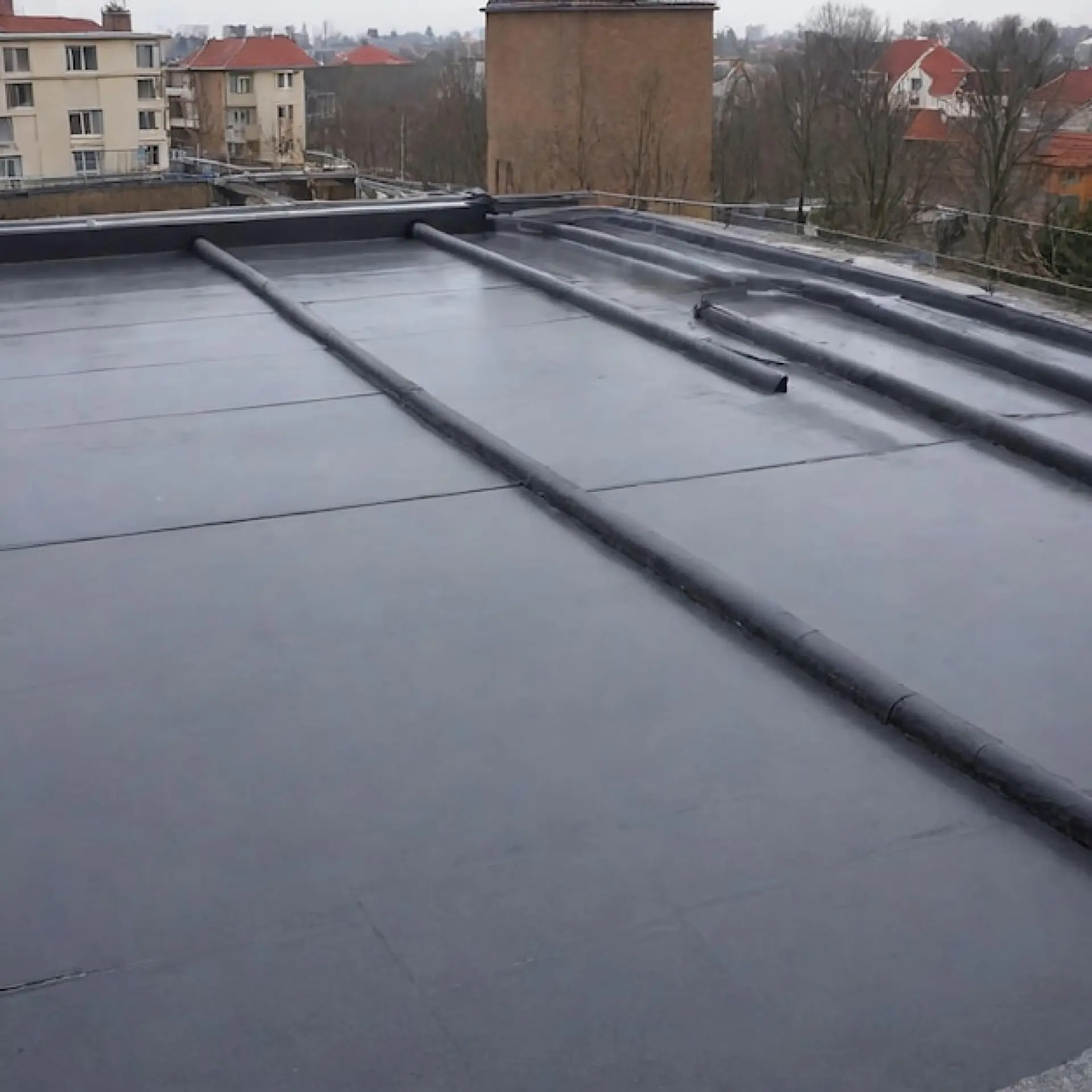
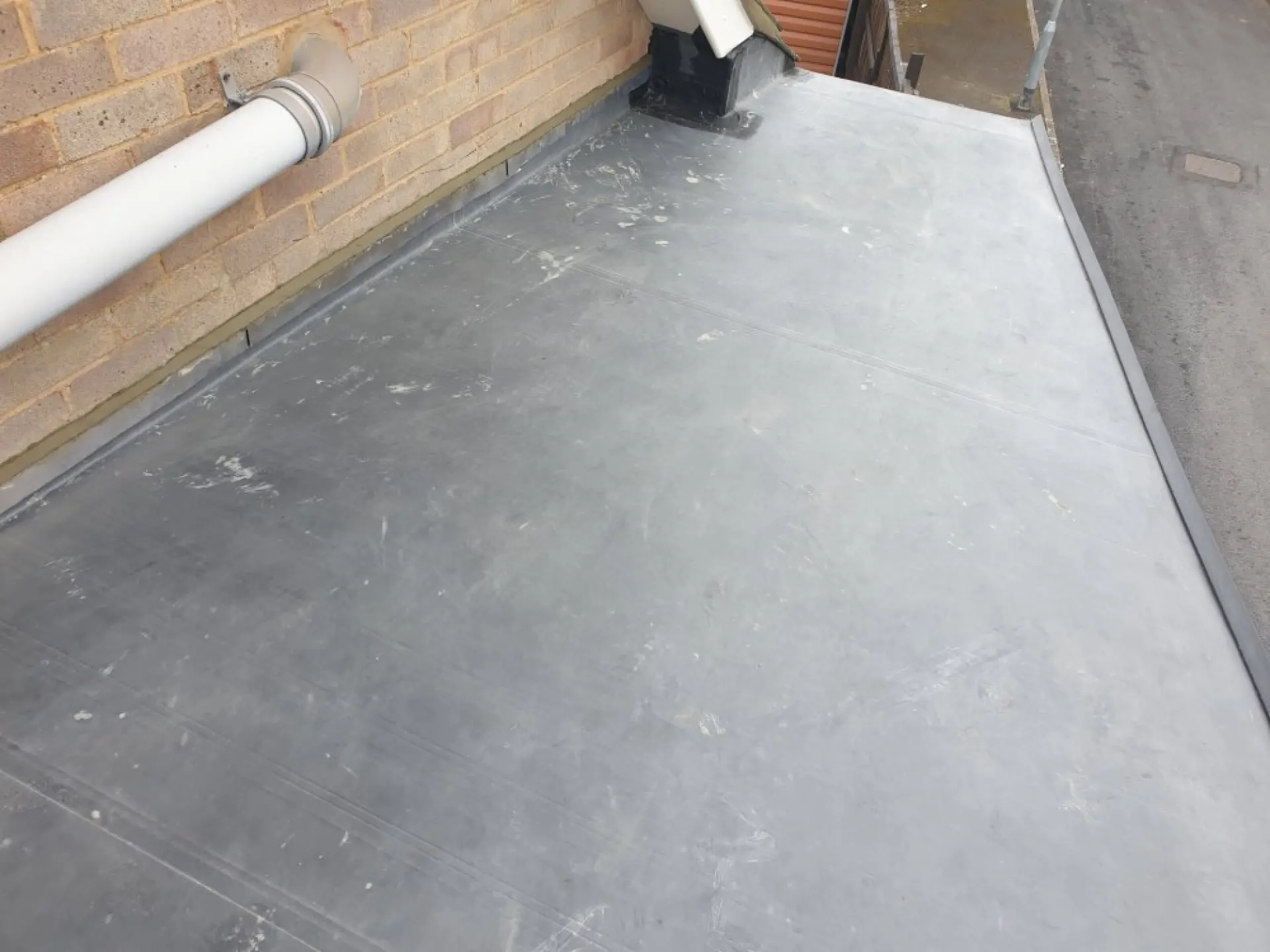
EPDM is a type of rubber roofing membrane made for flat and low-slope roofs. It usually comes as a single sheet, which means there are fewer joins where water could get in. EPDM is flexible, so it can handle movement in the building as temperatures change. It is often finished with trims around the edges and sealed details around outlets and roof edges.
EPDM is known for being quick to fit on many homes because large sections can cover a wide area at once. The membrane is normally bonded down with adhesive, then carefully sealed at any seams or edges. Because it stays flexible, it is less likely to crack from minor shifts in the roof deck. This flexibility can also help it cope with small bumps or vibrations over time.
GRP roofing is made using layers of fibreglass mat and a liquid resin that cures into a solid surface. It creates a hard, seamless finish that looks smooth and tidy when done well. grp is often paired with a coloured topcoat, which gives the roof its final appearance and helps protect it from sunlight and wear. Once cured, it forms a firm shell across the roof.
GRP roofing is typically used where a strong surface is useful, such as on roofs that will have regular foot traffic for maintenance. It can also be shaped neatly around corners, upstands, and roof edges. Due to the fact that it is built up on site, it suits roofs with awkward shapes where sheet materials might mean more joins. The finished surface can look very clean, which some homeowners like for visible roof areas.
Key Differences at a Glance
One of the most obvious differences is how each roof is formed. EPDM is a pre-made sheet that is laid out and bonded into place, whereas GRP is built up in many layers and hardens into a rigid surface. EPDM usually relies on careful sealing at edges and any joints, while GRP aims to be seamless across the main roof area. This difference affects how each roof deals with movement and temperature changes.
EPDM stays stretchy, which can be helpful if your roof deck moves slightly with heat, cold, or settling. grp becomes hard, which can feel very solid underfoot, but it does not stretch in the same way. If the roof structure moves a lot, the materials and details around it matter even more. A well-prepared base and correct edge detailing are important for both systems, but they deal with movement in different ways.
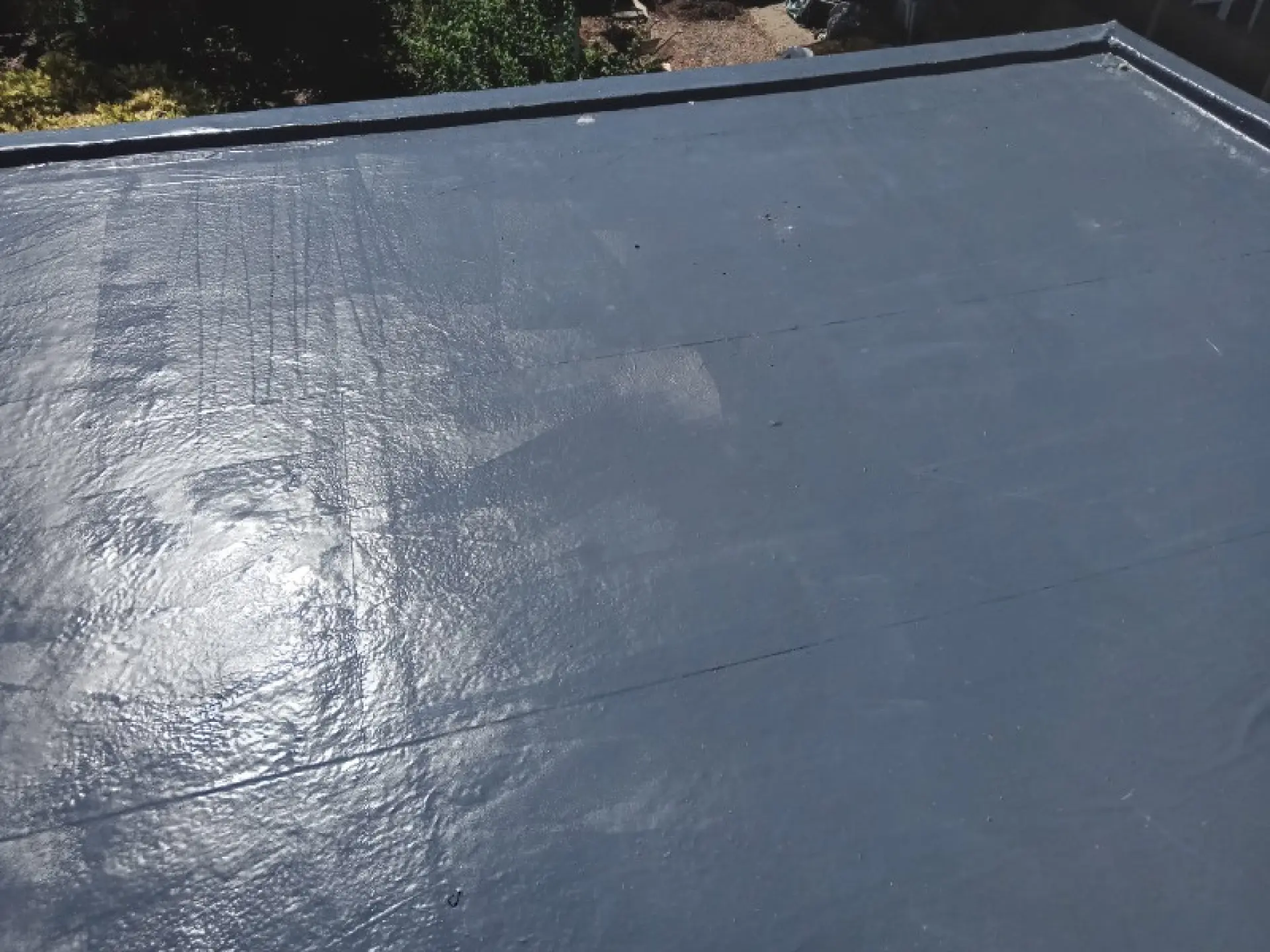
The look and feel are also different. EPDM has a rubber finish that is usually black, though other options exist, and it often has visible trims at edges and around outlets. GRP usually has a smooth, painted-style finish because of the topcoat, which can be matched to different colours. If your flat roof is visible from a window or garden, the appearance may influence your choice as much as the performance.
Cost can vary depending on roof size, shape, access, and the amount of detail work needed. EPDM can be efficient on straightforward roofs because a large sheet reduces labour time. GRP can be quite cost-effective when it comes to more complex shapes because it can be formed neatly without needing many separate pieces. The best comparison is a like-for-like quote that includes preparation, trims, drainage details, and any timber work needed under the covering.
Maintenance and Ongoing Care
EPDM maintenance is mostly about regular checks and keeping the roof clean. Leaves and dirt can block your outlets, which may lead to issues of standing water, so clearing debris helps the roof drain properly. It is also wise to look at the edges and any sealed areas now and then, especially after storms. If you spot lifting at an edge trim or a damaged seal, early repairs can prevent bigger problems.
When walking on EPDM, you must always be careful because sharp stones and tools can mark the surface. It is tough, but it can still be damaged by dragging heavy items or using ladders without protection. If you need to access the roof for other jobs, using walkway pads or boards can reduce wear. Checking after any work is finished is sensible, as accidental cuts or scuffs are easier to fix quickly.
GRP roofing benefits from simple cleaning and routine inspection, too, but the focus is a little different. Because GRP is finished with a topcoat, you should watch for areas where the coating looks worn, chalky, or scratched. Keeping outlets clear is still important, and so is removing moss if it starts to take hold at shaded edges. If you see small chips, they should be repaired to protect the layers beneath.
Over time, GRP may need a fresh topcoat to keep it looking good and to maintain surface protection. This does not always mean the roof has failed, but it is a normal part of long-term care for a coated finish. Any repairs to your GRP roof should be done with compatible materials so that the new resin bonds together correctly. If you are unsure, always go for a professional inspection, as this can confirm whether it is a small surface issue or something that requires deeper attention.
Lifespan and Durability
EPDM is designed to last well when installed correctly on a sound roof deck. Its ability to stay flexible helps it cope with weather changes, which can reduce the chance of cracking. It handles sunlight and rain well, and it does not have a layer that needs repainting as part of normal ageing. The main risks tend to be poor edge detailing, blocked drainage, or damage from sharp objects.
Durability also comes from the thickness of the materials and the roof’s finish. A well-fitted EPDM roof with strong trims and tidy seals around outlets can stay watertight for many years. If there are seams, the quality of seam-work matters because that is where the weaknesses can form. On much larger roofs, thoughtful planning of sheet layout and drainage can improve performance during heavy rainfall.
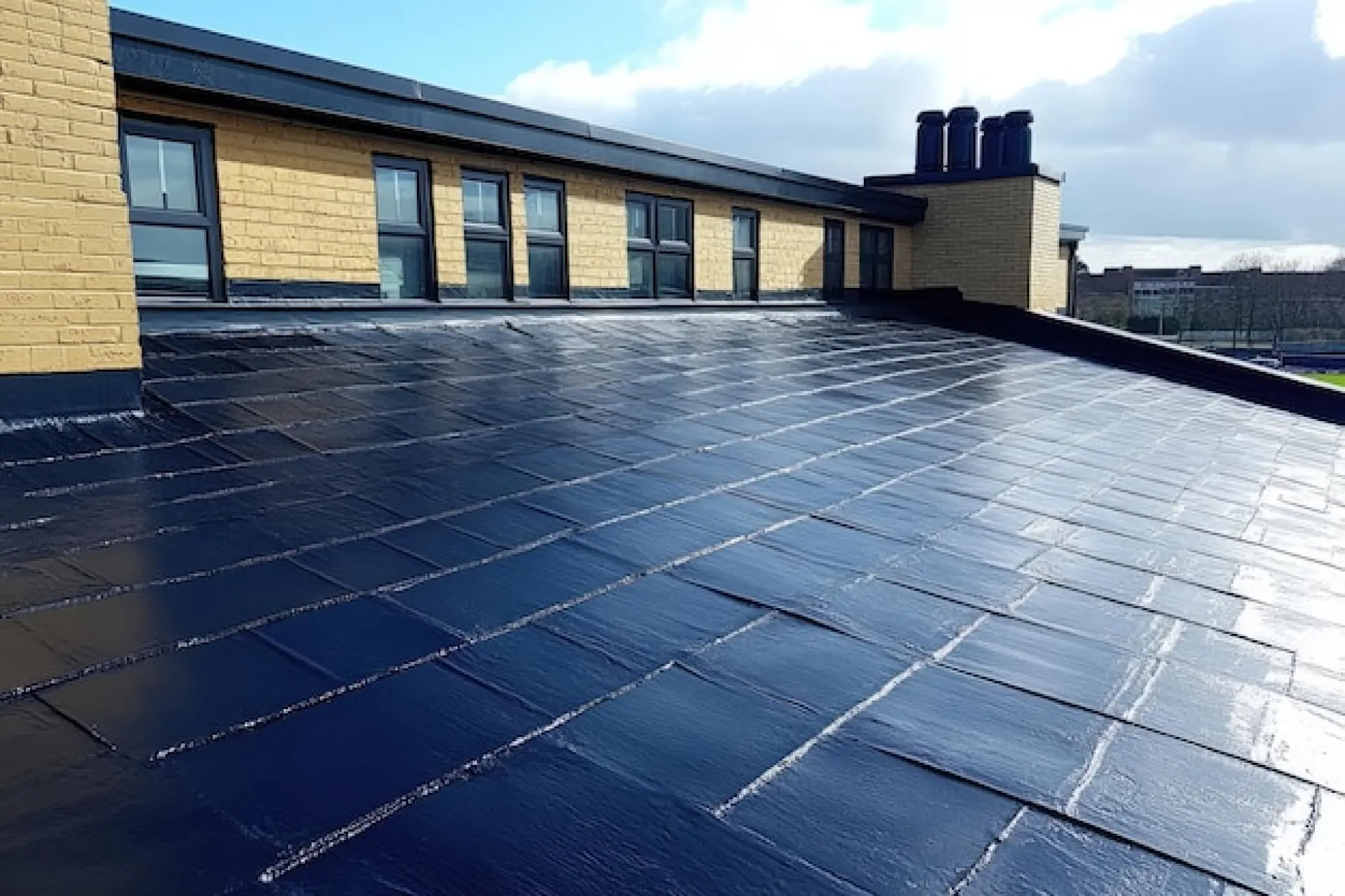
GRP roofing can be very durable because it forms a hard shell across the roof. It is often chosen where a firm, stable surface is wanted, such as on roofs that need plenty of access. It can also resist small impacts well, but it can be affected by movement beneath it. A strong, well-fixed deck and correct build-up are key to helping grp stay crack-free.
The long-term performance of the GRP is closely linked to the quality of preparation and the finishing layers. The resin and fibreglass layers must be applied correctly, and the topcoat must be suitable and evenly applied. If the topcoat wears thin in places, the surface can become more open to weathering, which is why planned upkeep is helpful. With proper care, GRP can remain watertight and attractive for a long time.
Installation: What to Expect
EPDM installations usually start with an inspection of the roof deck and the replacement of any damaged boards. The surface needs to be kept clean, dry, and smooth so the membrane can bond properly. Installers then lay out the sheet to relax it, which helps get rid of any existing wrinkles. The adhesive is then applied, the membrane carefully pressed down, and the edges are finished with some trims and seals.
Details are a major part of a good EPDM fit. Outlets, corners, and upstands need the right accessories or formed pieces to keep water out. If the roof has skylights, vents, or pipework, each one needs careful sealing so it stays watertight in heavy rain. Good installers will also check the falls, meaning the slight slope that helps water run towards the outlet.
GRP installation is much more like building a surface than laying a sheet. The deck must be very strong, dry, and correctly fixed because the system bonds to it. Installers typically add edge trims and boards first, then carefully apply the resin and fibreglass layers across the roof. Once cured, a topcoat is applied to seal the surface and give the roof its last finish.
Weather conditions can affect GRP work more than EPDM because the resin needs suitable conditions to cure properly. Installers may plan the job around temperature and moisture, and they will protect the area from rain during key stages. Drying time between layers can also impact just how long the job takes from start to finish. A tidy GRP installation should include clean edges, well-formed corners, and a consistent topcoat, leaving a smooth and solid roof surface.
Our team provides GRP and EPDM flat roofing installations, repairs, and maintenance, using high-quality materials and proven techniques to ensure long-term durability, practicality and weather resistance. Give us a call today for more details.
Related Articles
What Is GRP Roofing and When It Works Best