Find out what is GRP roofing and when it's the ideal choice. Explore its durability, installation tips, costs, and managed maintenance for UK homeowners.
What GRP Roofing Is Made From
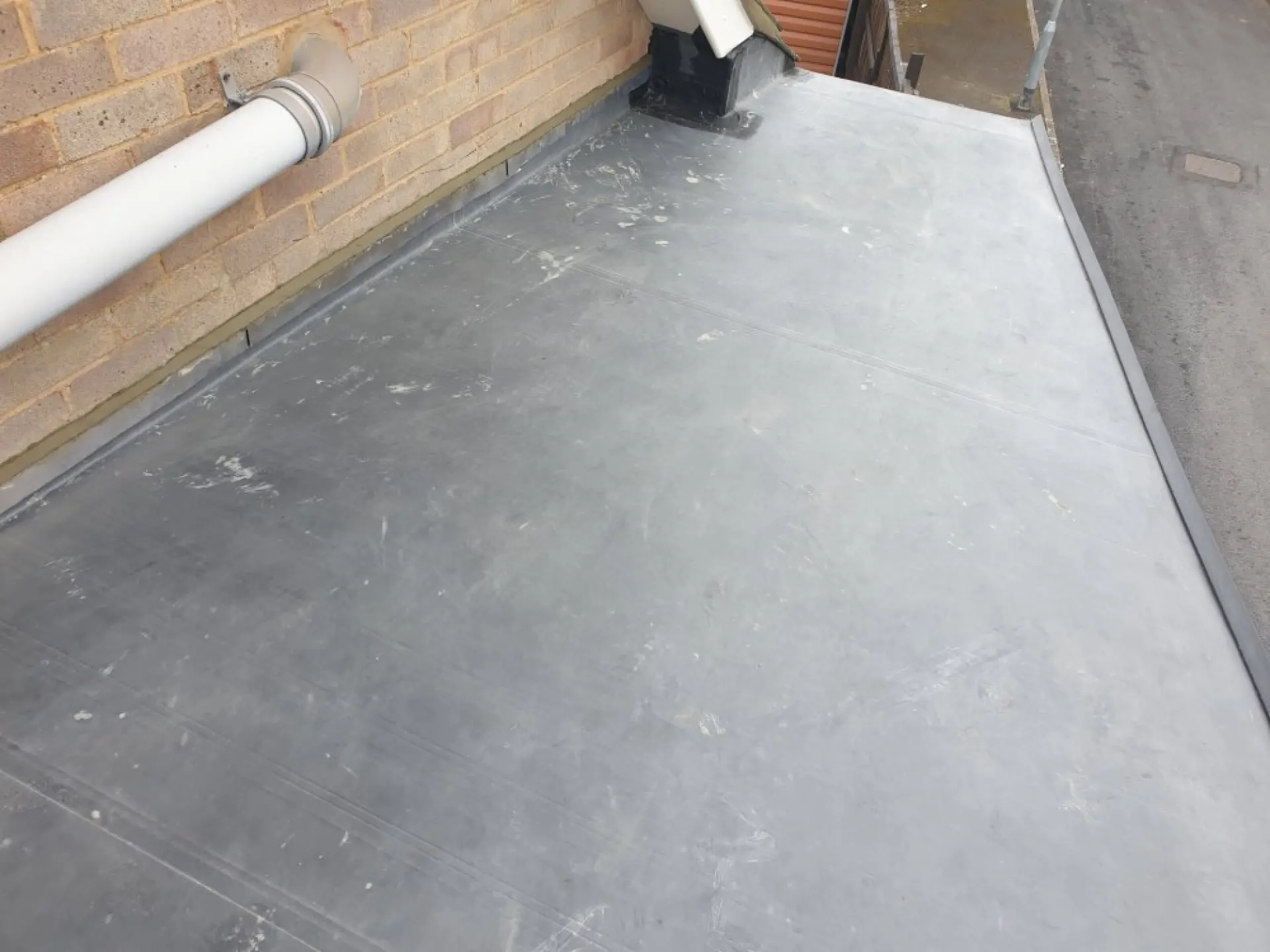
GRP roofing is a flat roofing system made from fibreglass and resin. Installers lay fibreglass matting onto the roof and soak it with resin so it bonds into a strong layer. When it cures, it forms a hard surface that blocks water. This is why many people describe it as a fibreglass roof.
A GRP roof is not just one layer. It is a build-up that usually includes a prepared deck (the boards underneath), a resin layer, fibreglass matting, and then a finishing topcoat. The topcoat is the final protective layer and also gives the roof its colour and tidy look. If each layer is applied properly, the whole system acts as one sealed surface.
The deck matters because GRP bonds to what is underneath. The boards must be dry and fixed well, or the roof can move and stress the finished surface. Many guides stress that moisture trapped in the deck can cause problems later. A good installer will spend time on preparation before any resin is opened.
GRP also relies on careful mixing and the correct thickness. For example, the finishing topcoat must be spread evenly. Applying it too thick can lead to cracking, whereas applying it too thin can affect curing. Temperature also matters because resins and topcoats may not cure well in very cold conditions.
Main Benefits of GRP Roofing
One big benefit of GRP roofing is the clean, seamless finish across the main roof area. Because it is formed in place, it can cover corners and edges neatly without the look of overlapping sheets. This can be useful if your flat roof is visible from upstairs windows. It also helps the roof shed water smoothly when the falls and outlets are set up properly.
GRP roofing can be a great choice for roofs that need occasional foot traffic for cleaning gutters, checking vents, or maintaining rooflights. Once it is completely cured, it forms a firm surface that feels solid underfoot. This can make routine upkeep much easier, as long as people still take care not to scrape the surface with tools.
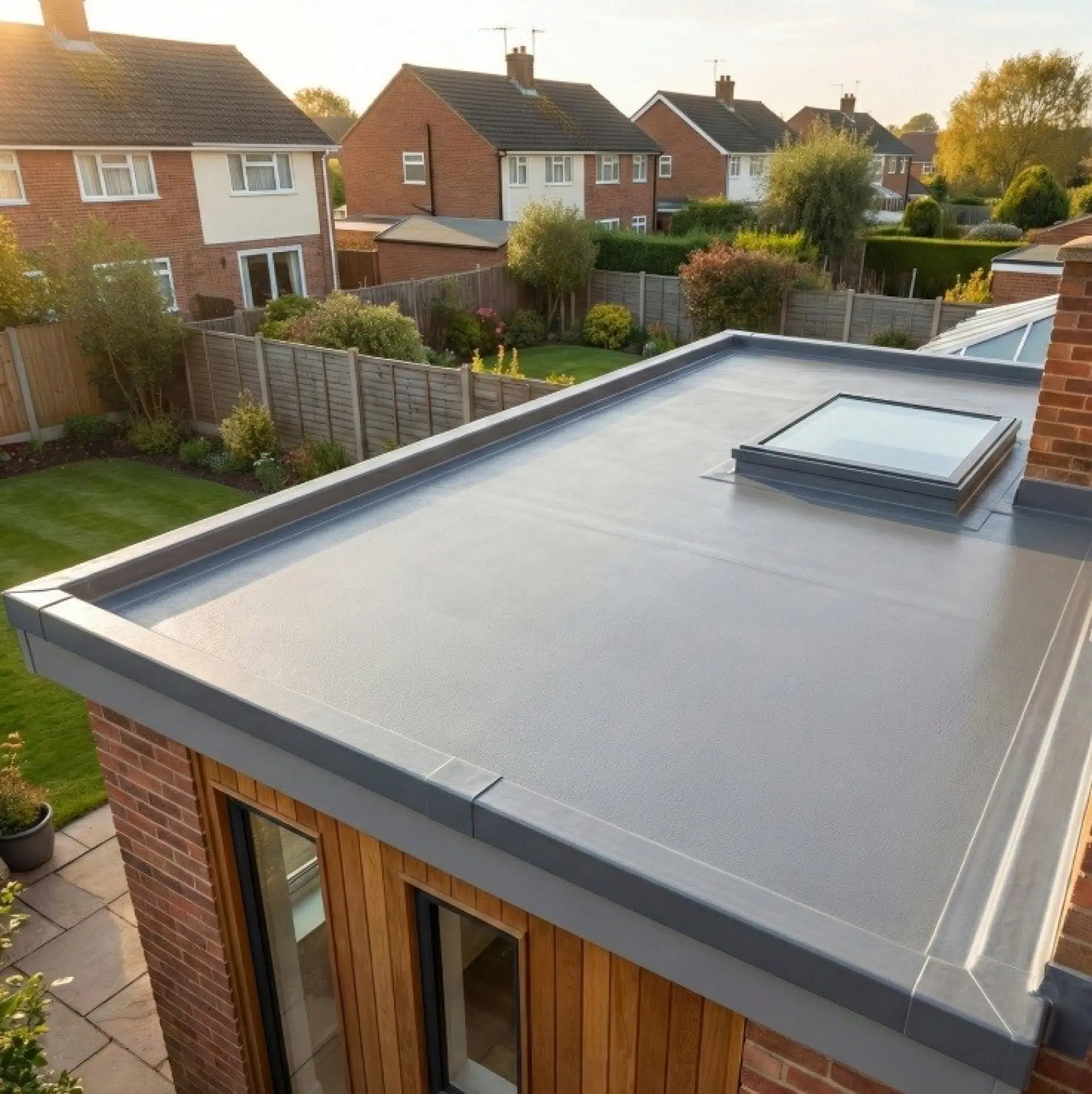
Another benefit is long service life when it is installed correctly. Many UK roofing sources commonly put GRP flat roofs in the range of 20 years or more, with some quoting around 20 to 30 years, depending on quality, exposure, and maintenance. That makes it a long-term option compared with some older flat roof materials.
GRP is also a popular option among many home and property owners because the repairs can be local if damage is caught early. Small chips or worn patches can usually be repaired by cleaning the area and applying compatible layers, rather than replacing the entire roof. This works best when the roof structure underneath is still in good condition and dry, and the problem is limited to the surface.
Possible Downsides to Consider
GRP roofing is less forgiving of poor preparation than some other systems. If the deck is not dry, not flat, or not fixed well, the finished roof can suffer later. Movement underneath can stress the rigid surface, especially around joins, edges, or changes in height. This is why the condition of the structure is just as important as the GRP itself.
Weather and timing can also be a challenge. GRP uses resins and topcoats that need the right conditions to cure properly, and very cold temperatures can cause issues. In practice, this can affect when the work can be done, especially in winter. Installers may need to plan around temperature, moisture, and daylight to get a reliable finish.
Workmanship matters a lot with GRP. The resin must be mixed correctly, the fibreglass needs to be laid without gaps, and the topcoat has to be applied evenly. If the topcoat is too thick, it may crack, and if it is too thin, it may not cure as intended, which can lead to early wear. Choosing an experienced installer helps reduce these risks.
Another point to consider is appearance over time. The topcoat can fade or dull, especially on roofs that get a lot of sun and weather. This does not always mean the roof is leaking, but it can make the surface look tired. Some homeowners plan for a future refresh of the topcoat to keep the roof looking neat and well-protected.
GRP Roofing Costs in the UK
In the UK, GRP roofing costs are often quoted per square metre, but the real price depends on the full job, not just the material. As a ballpark, some cost guides put GRP flat roof installation around roughly £95 to £120 per m² plus VAT, while others give wider ranges such as £80 to £150 per m² depending on size and complexity.
Roof size and shape can change the cost a lot. A simple rectangular roof is usually faster to cover than a roof with several corners, upstands, rooflights, or multiple outlets. Access also matters, because tight access can slow the work and increase labour time. Where scaffolding is needed, it can add a noticeable extra cost.
Preparation is a major cost factor. If old roofing needs removing, if decking boards need replacing, or if rotten timber is found, the quote will go up. Adding insulation, improving the falls, or fitting new drainage can also increase the price, but those steps can help the roof perform better and avoid problems from standing water.
When you compare quotes, check what is included. A good quote should cover all the trims, edge details, outlets, and any flashings needed for a watertight finish, not just involve “GRP applied to roof”. It should also thoroughly explain whether VAT is included, and whether the price covers disposal of old materials. If anything is unclear, ask for it in writing so you can compare like with like.
Where GRP Roofing Works Best
GRP roofing works well on small to medium flat roofs where a neat finish is important, such as garages, extensions, and dormer roofs. It can look smart from above, which suits homes where the flat roof is seen from windows. It is also handy for roofs with awkward shapes, because the system is formed in place rather than cut from one big sheet.
It is also best suited for properties with edges and details that need to be crisp, such as around parapet walls, abutments, and roof perimeters that have trims. A well-made GRP edge can help guide water into the outlet and protect the roof margins. This is most useful for roofs that face heavy rain and wind, as this is where weak edges can be a frequent failure point.
GRP can be great where there will be occasional foot traffic, for example, when you need safe access to clean gutters or check roof fittings. The firm surface will be able to withstand careful walking better than softer membranes, as long as people avoid sharp tools and do not drag heavy items. If regular access is expected, it is worth discussing a surface finish that improves grip.
GRP is not always the best choice if the roof structure is likely to move a lot, or if the deck condition is unknown and cannot be improved. In those cases, the rigid nature of GRP can make the final result more dependent on strong preparation and stable boards. If you are unsure, a roofer can assess the deck, the falls, and the details around outlets, then advise whether GRP is a good match for your roof.
Our team provide GRP roofing installations, repairs, and maintenance throughout Winchester, Bishopstoke and Wickham. Give us a call today for more details.